What to Wear When Your Story Is Being Told
Jun 5, 2026
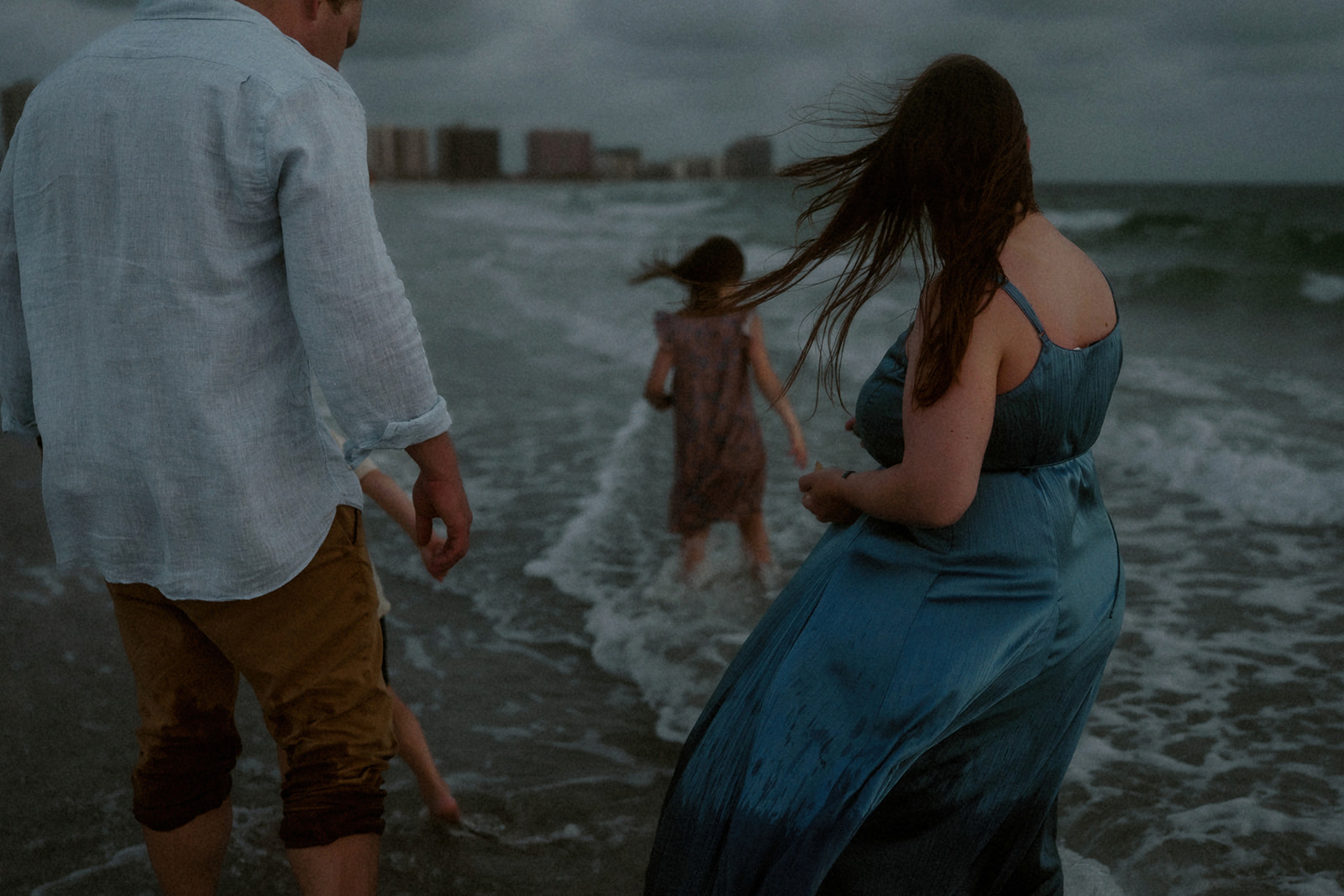
How to choose colors, textures, and clothing that create timeless photographs and cinematic films.
Choosing what to wear for a photo and film session in Florida can feel overwhelming. Between selecting colors, coordinating outfits, considering locations, and planning around weather, it’s easy to wonder where to begin.
One of the questions I receive most often is what to wear for a session. While clothing certainly affects how photographs look, it becomes even more important when your memories are being filmed.
The right colors, fabrics, and textures don’t just photograph beautifully. They move beautifully. Choosing what to wear for a photo and film session in Florida can feel overwhelming, especially when considering location, weather, and time of day.
A dress catching the breeze, a child’s loose curls dancing in the wind, a linen shirt softening in the evening light… these small details help bring a story to life.
When I’m photographing and filming a family or couple, I’m not looking for perfect outfits or carefully coordinated wardrobes. I’m looking for connection, movement, and moments that feel genuine. Thoughtful clothing choices simply help those moments shine. The goal isn’t to look like someone else. It’s to choose pieces that feel comfortable, natural, and true to who you are, while helping your photographs and films feel timeless for years to come.
Before we dive into what to wear, I’d love to share why documentary family photography has become the heart of my work. If you’re curious about the philosophy behind the way I photograph families, you can read more in What Traveling Taught Me About Documentary Family Photography.
Why Clothing Matters More for Film
A photograph captures a single moment. A film captures what happens between those moments. Because I offer both photography and films, I think about how clothing will look. Not only in a photograph, but also in motion. What you wear during your photo and film session here in Florida means more than you think.
When movement becomes part of the story, clothing takes on a different role. Instead of simply looking beautiful in a frame, it helps create the feeling of a scene.
A flowing dress caught by the wind. A child’s hair dancing as they run down the shoreline. The way a loose linen shirt shifts as someone wraps their arms around the person they love.
These details may seem small, but they add depth, softness, and emotion to both photographs and film.
Because I photograph and film in natural light, I also pay attention to how fabrics interact with the environment. Certain textures catch the light beautifully, creating the soft, cinematic look that has become part of my style. The goal isn’t to create a perfectly styled scene. It’s to create something that feels natural, effortless, and true to the people in front of my camera.
Movement
Some outfits photograph beautifully. Others come alive when they’re moving.
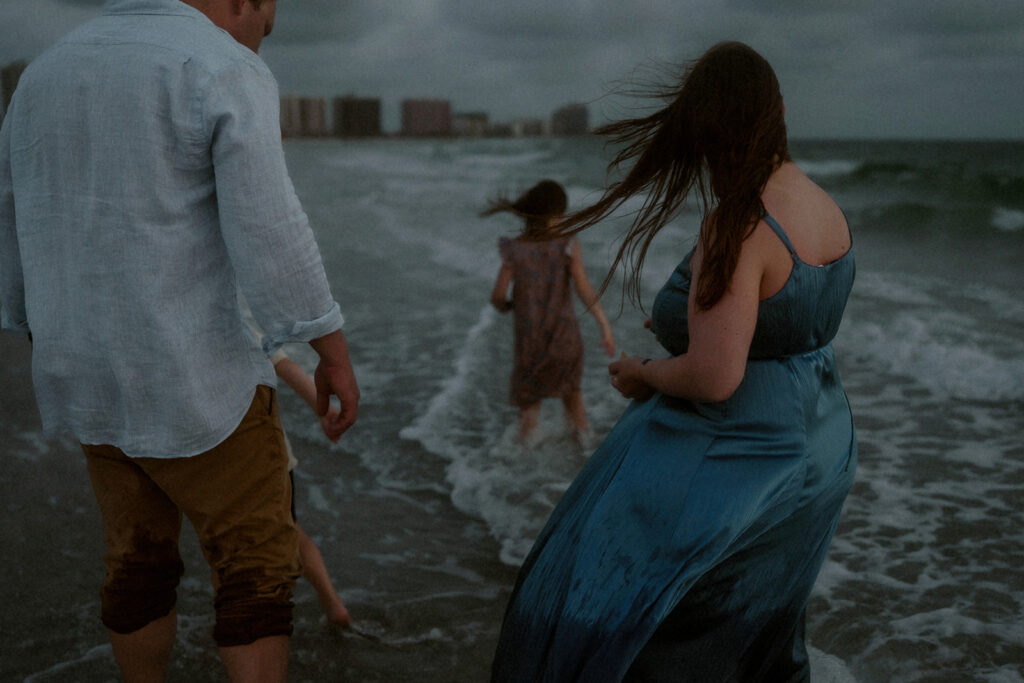
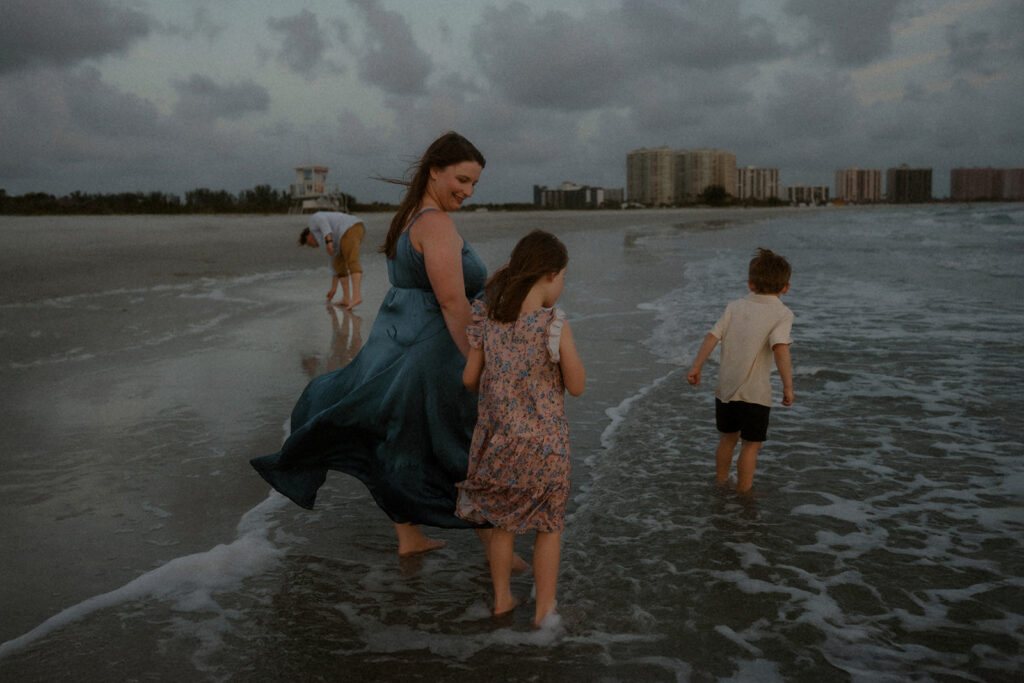
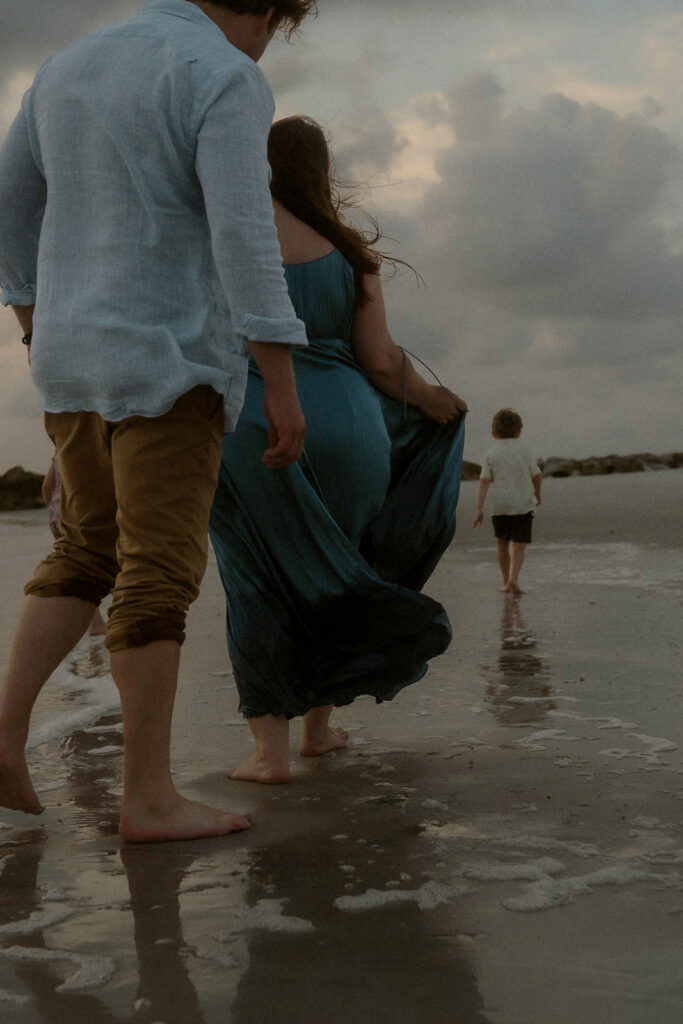
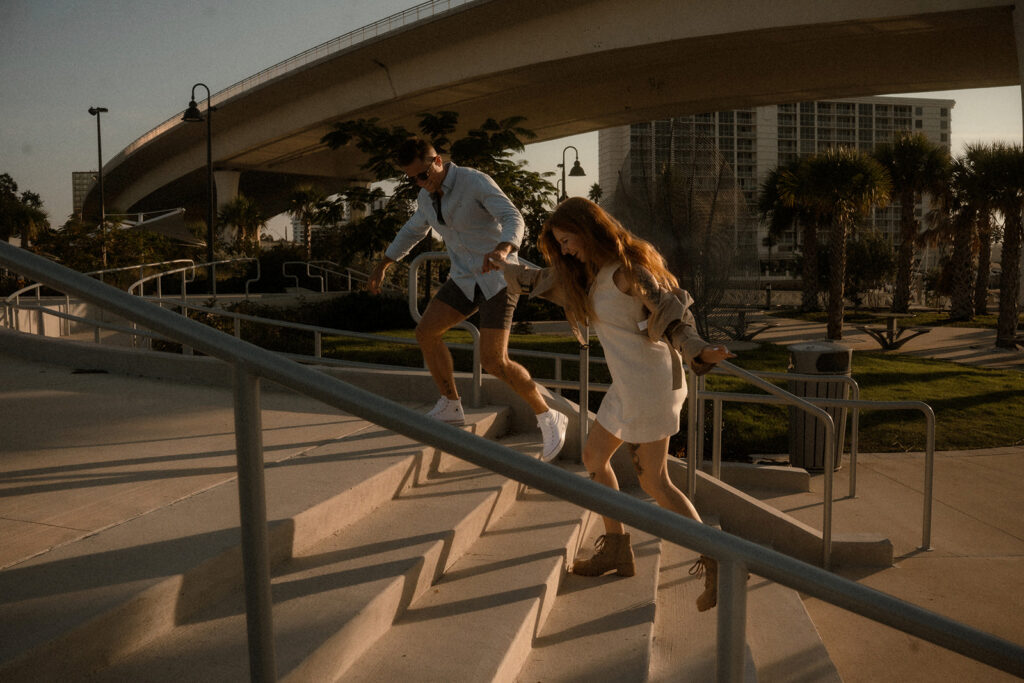
One of the things I love most about incorporating film into my sessions is the ability to capture movement. Movement can be captured in a way that a single photograph simply can’t. The breeze catching a dress. A child’s hair dancing in the wind. The sway of a skirt as someone walks hand in hand with the person they love.
These details may seem small, but they’re often the pieces that help a memory feel real years later.
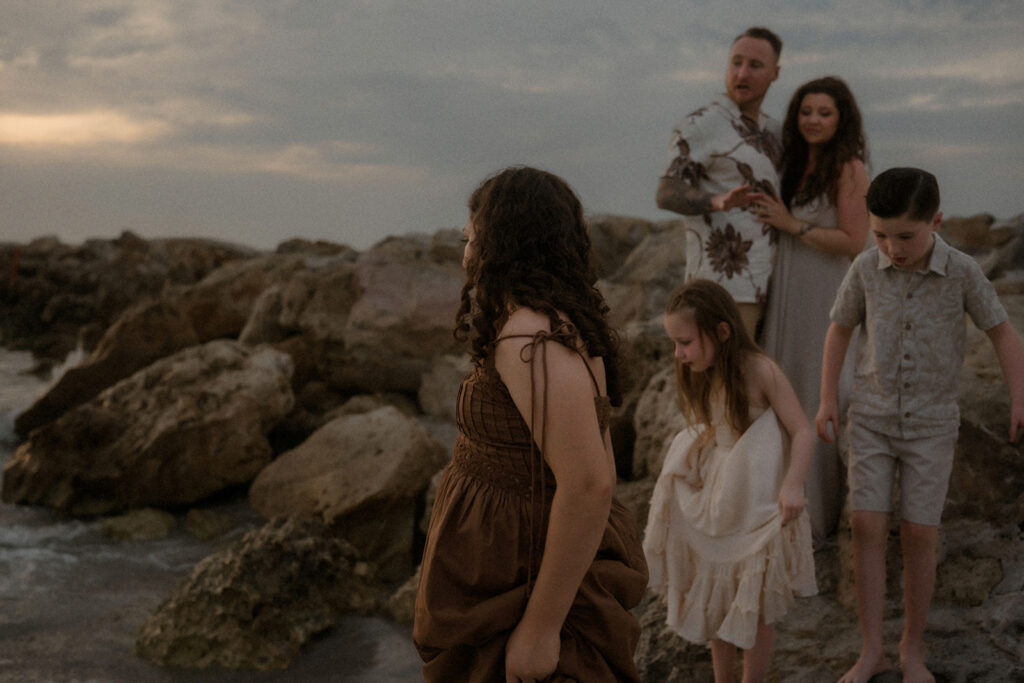
When choosing clothing for your session, consider how it will move. Flowy dresses, long skirts, lightweight fabrics, open cardigans, and even loose curls can add softness and movement to both photographs and film. The goal isn’t to create dramatic motion, but to allow room for natural moments to unfold.
Most importantly, choose clothing that allows you to move comfortably. Whether we’re exploring a beach, wandering through a nature preserve, or simply enjoying time together, the less you have to think about what you’re wearing, the easier it becomes to focus on the people beside you.
Because in the end, the story is never really about the outfit. It’s about the way you lived in it.
Texture
Color often gets the most attention when choosing outfits, but texture can be just as important.
Texture adds depth and dimension to photographs and film, helping clothing feel more natural and visually interesting without relying on bold patterns or bright colors. Fabrics such as linen, cotton, gauze, lace, knitwear, and denim tend to photograph beautifully because they create subtle variation that catches both light and shadow.
One of the reasons I often recommend natural fabrics is that they feel timeless. They don’t draw attention to themselves, yet they add richness and character to an image. A linen dress, a knit sweater, or a well-worn denim jacket can bring warmth and depth to a photograph in a way that a perfectly smooth fabric sometimes cannot.
Texture also works beautifully in film. As fabric moves, folds, and catches the light, it adds another layer of visual storytelling. These details may not be the first thing you notice, but they contribute to the overall feeling of a photograph or film in a meaningful way.
When selecting outfits, don’t be afraid to mix textures throughout the family. A flowing dress paired with denim, soft knits alongside linen, or lace details mixed with cotton can create a look that feels cohesive without feeling overly matched.
Light
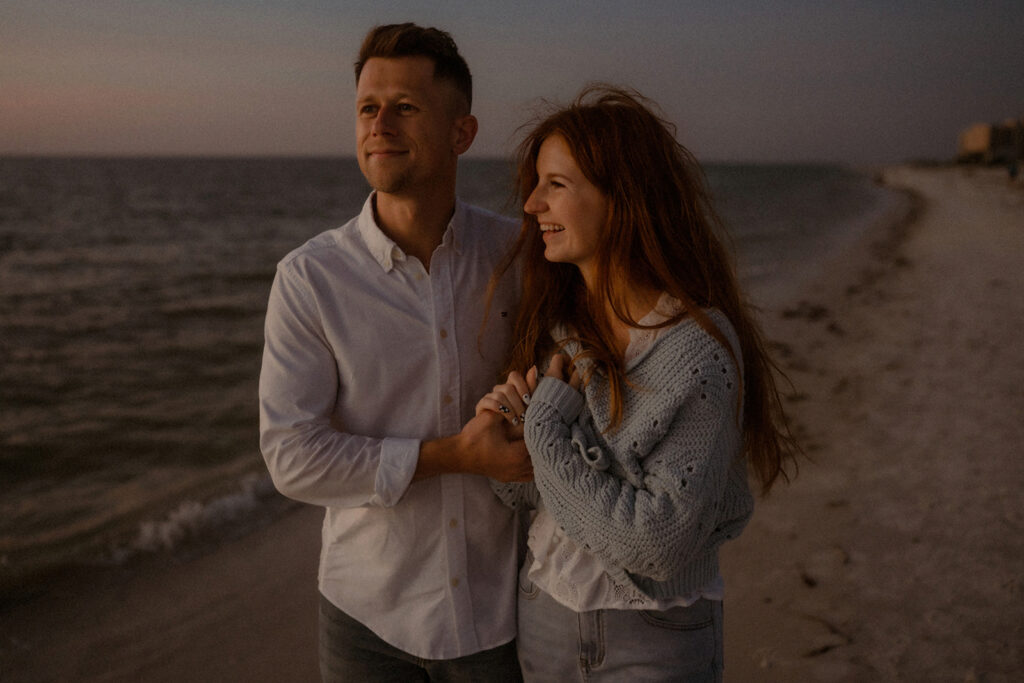
Light has a tremendous impact on how clothing appears in both photographs and film. The same outfit can feel completely different depending on the location, time of day, and quality of light.
Because I photograph and film primarily in natural light, I pay close attention to how colors and fabrics interact with their surroundings. Rather than choosing clothing based solely on what’s trendy, I encourage clients to think about how their clothing will complement the environment and the mood we hope to create.
One thing many people are surprised to learn is that bright white doesn’t always photograph the way they expect. In certain lighting conditions, especially at the beach, white can become very luminous and draw attention away from the people wearing it. While there is certainly a place for white, I often find that softer tones such as cream, ivory, oatmeal, and natural linen photograph with more depth while still maintaining that beautiful, airy feeling.
How colors are affected.
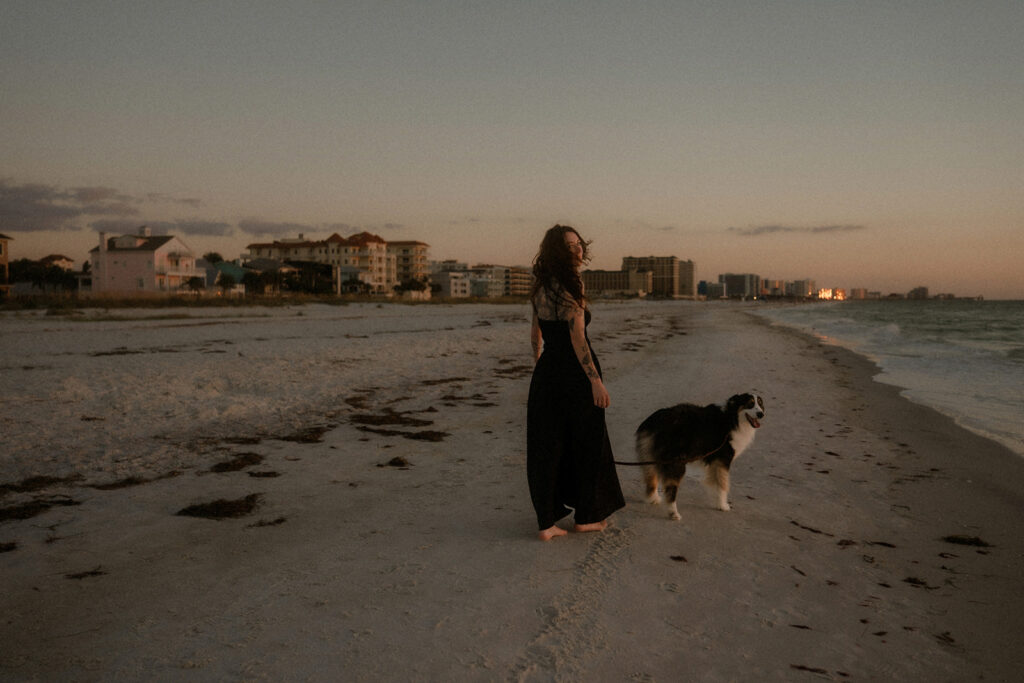
Light also affects how colors are perceived. Richer, earthy tones often stand out beautifully against the soft neutrals of the beach. Colors such as rust, terracotta, muted blue, olive, mustard, and warm black can create contrast while still feeling timeless and natural. These tones tend to hold their richness in both photographs and film, helping create imagery that feels warm and cinematic.
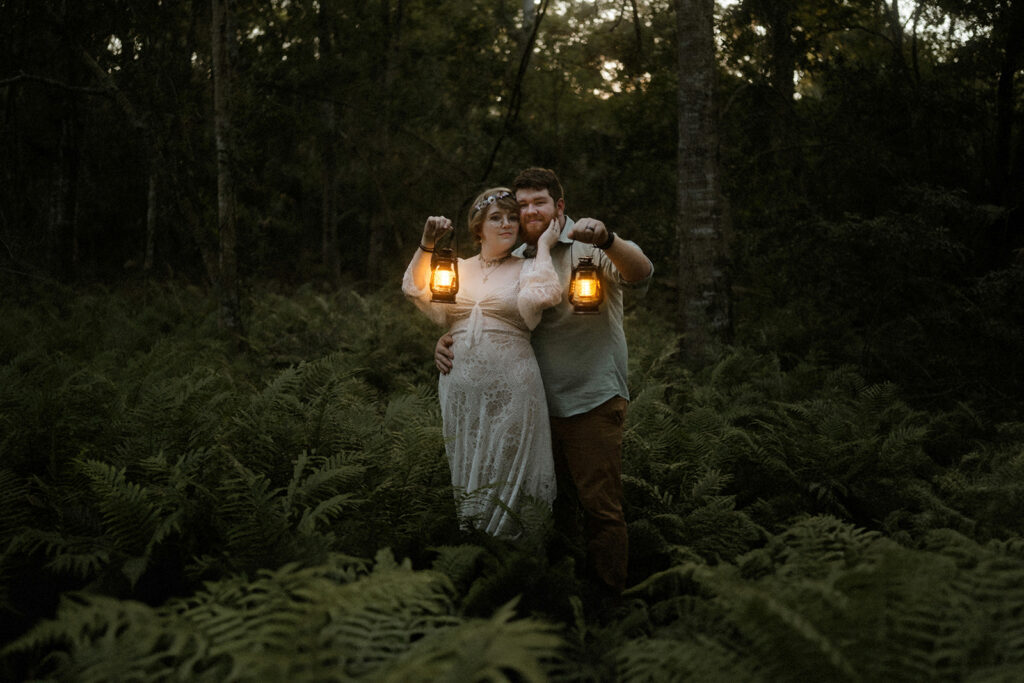
In wooded areas and nature preserves, I often find myself drawn to lighter color palettes. Creams, soft neutrals, pale blues, muted greens, and light earth tones can create beautiful separation from the surrounding foliage while maintaining a soft, organic feel. The contrast between lighter clothing and the darker greens of nature often creates a sense of depth that photographs beautifully.
The goal is never to follow a strict set of rules. Every family, couple, and location is different. Instead, think of color as one more storytelling tool. The right palette can help create images and films that feel cohesive, natural, and true to the experience itself.
Choosing Colors for Your Location
One of the easiest ways to create a cohesive look is to consider the environment where your session will take place.
Rather than trying to match the location perfectly, I encourage clients to choose colors that complement their surroundings while still feeling true to their personal style. The goal is to create enough contrast that you stand out naturally while still feeling connected to the landscape around you.
Below are a few of my favorite color palettes for some of the locations I photograph most often.
What to Wear for Beach Sessions
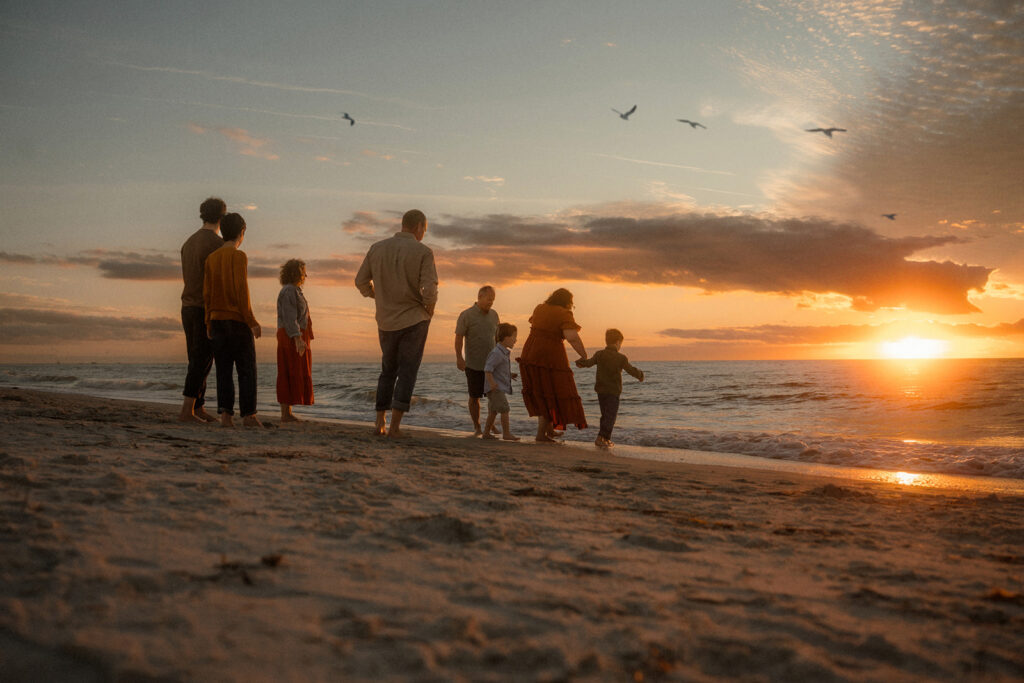
Florida beaches are naturally filled with soft neutrals. Sand, sea oats, driftwood, and the muted tones of the shoreline create a beautiful backdrop on their own.
Because of this, I often find that richer colors photograph beautifully at the beach. Earthy tones such as rust, terracotta, olive, mustard, muted blue and soft black can create depth and contrast while still feeling timeless and natural.
While bright white can certainly work, especially in certain lighting conditions, I often prefer softer shades such as cream, ivory, oatmeal, or natural linen. These tones maintain an airy feeling while retaining more texture and depth.
The beach already provides plenty of softness. Adding a bit of richness through clothing can help create photographs and films that feel balanced, warm, and cinematic.
What to Wear in Nature Preserves & Wooded Areas
When photographing in wooded areas, parks, and nature preserves, I often find myself drawn to lighter color palettes.
The deep greens found in trees, grasses, and foliage naturally create contrast with softer clothing choices. Colors such as cream, oatmeal, soft blue, muted sage, light denim, and warm neutrals can help subjects stand out while maintaining an organic and natural feel.
These lighter tones often photograph beautifully against darker backgrounds, creating a sense of depth while preserving the softness that many clients are drawn to in my work.
If you’re unsure where to begin, start with one neutral color and build around it. The goal isn’t perfect coordination. It’s creating a palette that feels connected to both the environment and the people within it.
How Light, Weather, and Time of Day Shape the Story
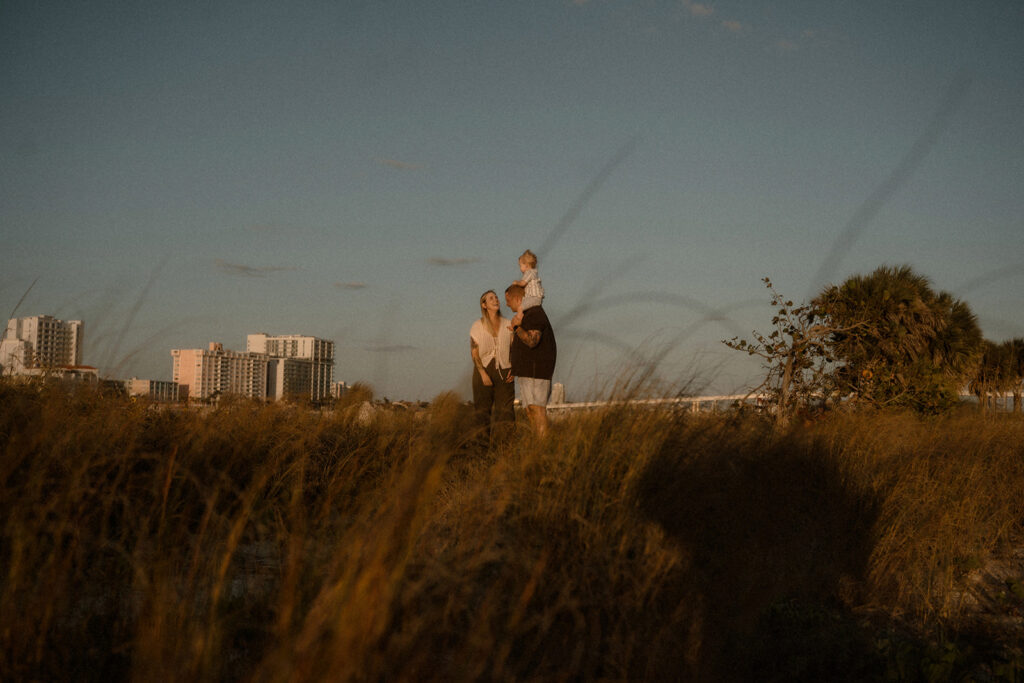
When clients think about planning a session, they often focus on choosing a location and coordinating outfits. While those things certainly matter, the light often plays an equally important role in shaping the final look and feel of both photographs and film.
The same outfit can feel completely different depending on whether we’re photographing at golden hour, blue hour, or under a sky filled with soft gray clouds.
Because I work primarily with natural light, I often think of weather and time of day as part of the storytelling process. They help create mood, emotion, and atmosphere in ways that can’t be replicated later.
While we can’t control the weather, understanding how light influences a scene can help you choose clothing that complements whatever nature decides to give us.
Golden Hour
Golden hour is the hour before sunset when the light becomes warm, soft, and directional. It’s often associated with feelings of nostalgia, warmth, and connection.
Because the light itself carries golden and amber tones, colors such as cream, rust, terracotta, olive, mustard, dusty blue, and warm neutrals often photograph beautifully during this time of day.
The warmth of the light naturally wraps around people and landscapes, creating the soft glow many clients associate with cinematic photography and film. Clothing with texture and movement becomes especially beautiful as the sun moves lower in the sky, highlighting details that might go unnoticed earlier in the day.
If your goal is warmth, romance, and a sense of nostalgia, golden hour is often difficult to beat.
Blue Hour
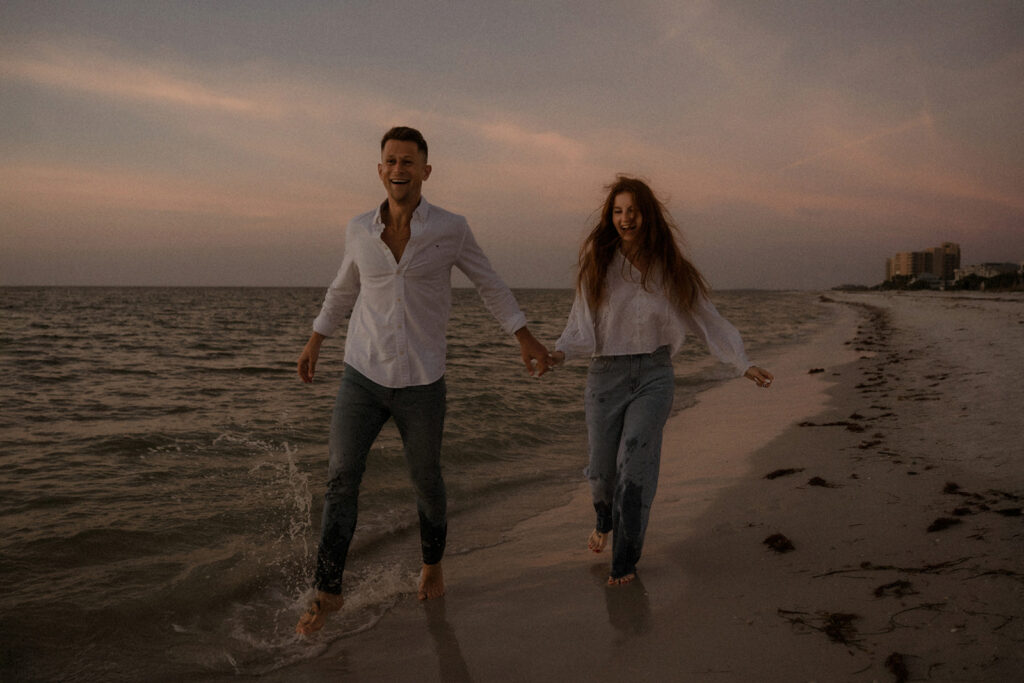
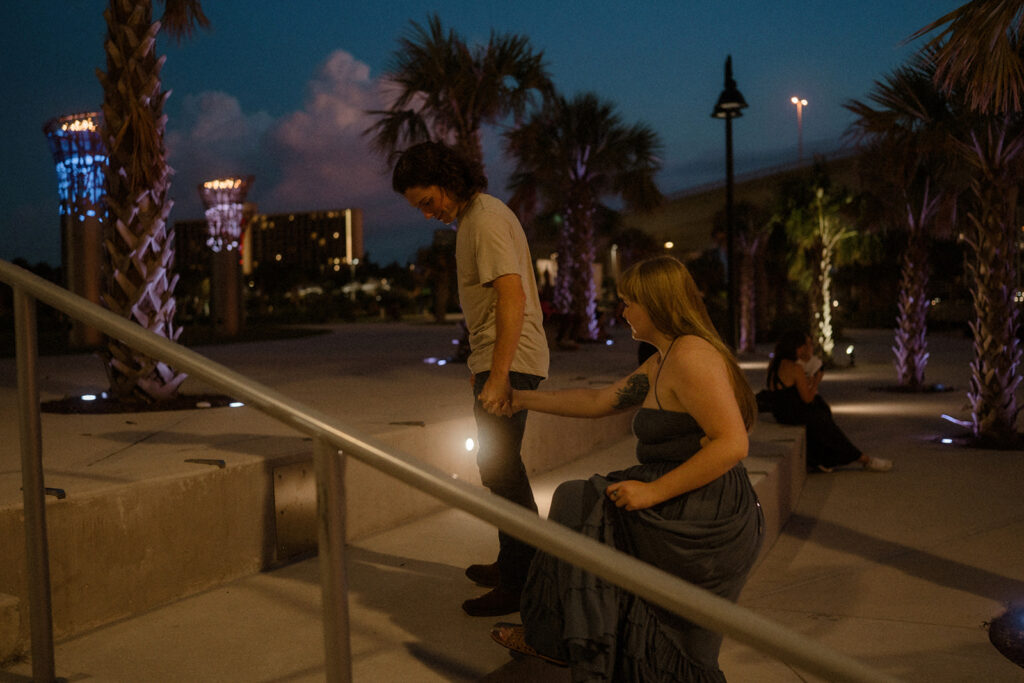
Blue hour is the short window of time after the sun has dipped below the horizon but before darkness fully settles in. The light becomes cooler, softer, and more atmospheric, creating images and films that often feel cinematic, quiet, and deeply emotional.
While golden hour tends to feel warm and nostalgic, blue hour carries a different kind of emotion. It can feel reflective, peaceful, romantic, and even a little wistful. There is a stillness that settles over the landscape as the day comes to an end, and that feeling often becomes part of the story itself.
Contrast is key.
Because the light is cooler during blue hour, clothing choices can have an even greater impact on the final look of a session. Colors such as rust, terracotta, mustard, olive, muted burgundy, and rich denim often create beautiful contrast while maintaining the soft mood that makes blue hour so special.
If you’ve ever wondered why warm tones seem to glow against a cool evening sky, a color wheel offers a clue. Blue sits opposite orange on the color wheel, making them complementary colors. When paired together, they naturally create contrast and visual interest. This is one of the reasons warm earth tones often look so beautiful during blue hour. They provide balance against the cool tones of the environment without feeling overpowering.
If you’re curious about exploring color relationships, the Art In Context can be a fun tool for experimenting with different combinations and seeing how colors interact with one another.
Lighter colors can certainly work during blue hour, but I often recommend incorporating at least a few tones with more depth and richness, especially on evenings that are cloudy or particularly muted. A little contrast can help preserve dimension and visual interest while still maintaining the softness of the scene.
Blue hour isn’t for everyone, but for those drawn to mood, atmosphere, and storytelling, it offers something truly unique. It’s one of my favorite times to photograph and film because it allows us to create imagery that feels less like a portrait session and more like a memory.
If you’d like to learn more about why I love photographing during blue hour, you can also read my article about Why Choose a Blue Hour Session.
Cloudy & Overcast Days
Some of my favorite sessions have taken place beneath a sky full of clouds.
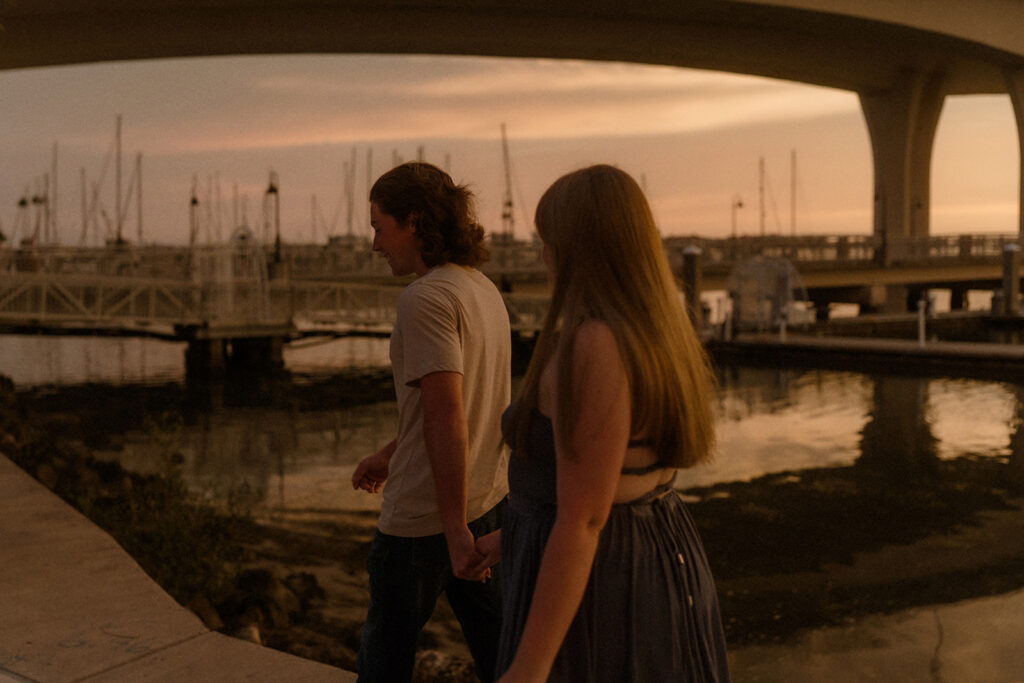
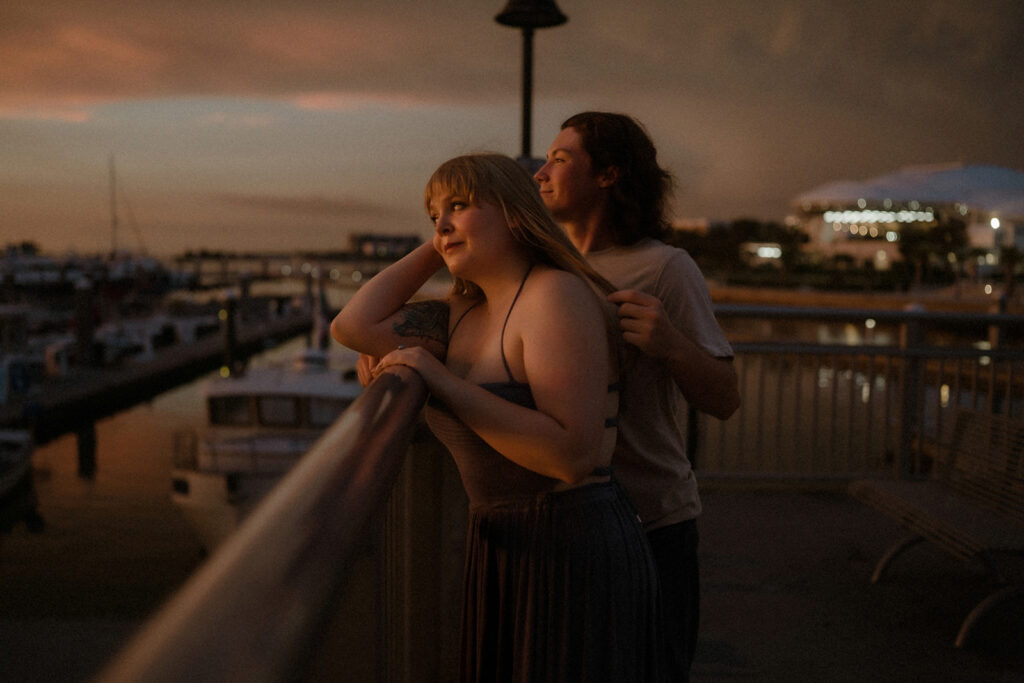
Overcast light creates softness that can be difficult to replicate. Shadows become gentler, skin tones appear more even, and the entire scene often takes on a quiet, timeless quality. Cloudy days can feel peaceful, intimate, and wonderfully cinematic.
Because the light is naturally softer and more muted, clothing choices become especially important. Without the warm glow of golden hour or the dramatic contrast of direct sunlight, color often plays a larger role in creating depth within an image.
While light neutrals can be beautiful on cloudy days, an entire wardrobe of very pale tones can sometimes blend into the softness of the scene. Incorporating a few richer colors, whether through clothing, layers, or accessories, can help create separation and visual interest while still maintaining a natural look.
This doesn’t mean every outfit needs bold colors. Often a single element, such as a rust-colored dress, a denim jacket, an olive shirt, or a patterned skirt, is enough to create balance within the frame.
One of the things I love most about overcast weather is the mood it creates. Clouds can bring a sense of calm, nostalgia, and emotion that often feels beautifully suited to both photographs and film. Rather than seeing cloudy skies as a backup plan, I encourage clients to embrace them as part of the story.
Staying Flexible
If there’s one thing I’ve learned after years of photographing and filming families and couples in Florida, it’s that nature likes to keep us on our toes.
A session that begins with golden sunshine may end beneath a blanket of clouds. A forecast calling for overcast skies may surprise us with a beautiful sunset. The weather, the light, and even the mood of a location can shift quickly, often creating opportunities we never expected.
For that reason, I always encourage clients to think of their wardrobe as a flexible starting point rather than a rigid plan. If you have a layering piece you love, bring it. If you’re deciding between two outfits, it can be helpful to have both available. Small adjustments can sometimes make a big difference depending on the light and conditions we encounter.
The good news is that there is rarely one “perfect” outfit for a session. The most successful wardrobe choices are usually the ones that feel comfortable, authentic, and allow you to fully enjoy the experience.
Some of my favorite photographs and films have come from conditions that looked less than ideal on paper. A windy evening, a sky filled with clouds, or a little unexpected weather often adds character and atmosphere that can’t be planned.
Instead of worrying about creating perfection, focus on creating possibilities. Together, we’ll work with whatever the day gives us and turn it into something meaningful.
Think Coordinated, Not Matching
One of the most common questions I receive is whether everyone should match.
The short answer? Not necessarily.
Rather than focusing on matching outfits, I encourage families and couples to think in terms of a color palette. Choosing colors that complement one another creates a look that feels cohesive and timeless without feeling overly coordinated.
For example, instead of everyone wearing the same white shirt and jeans, one family member might wear a cream dress, another might wear soft denim, while someone else incorporates olive, rust, or another complementary tone. The result feels natural and visually balanced while still allowing each person’s personality to shine through.
A helpful place to start is by selecting one outfit you love and building around it. Often this is mom’s dress, but it can be anyone’s outfit. Once you’ve chosen a piece that feels right, pull a few colors from it and repeat those tones throughout the rest of the wardrobe in different ways.
This is also where texture can play an important role. Linen, denim, knitwear, lace, and cotton can add variety and depth without introducing additional colors. When color and texture work together, outfits feel connected without looking identical.
Most importantly, don’t be afraid to let everyone look like themselves. The goal isn’t to create a perfectly styled catalog image. It’s to create photographs and films that reflect the people who are actually in them. A little individuality often makes a session feel more authentic, more relaxed, and ultimately more meaningful.
Not sure where to start?
I’m always happy to help clients choose outfits and color palettes before their session.
Patterns, Logos, and Small Details Matter
When planning outfits, it’s easy to focus on colors and overlook the smaller details. However, patterns, logos, and accessories can have a surprising impact on the overall feel of a session.
In general, subtle patterns tend to photograph beautifully. Small florals, delicate prints, textured fabrics, and timeless designs can add interest without distracting from the people in the image. Large logos, bold graphics, and heavily branded clothing often draw the eye away from the connection and emotion within a photograph or film.
The same is true for accessories. A favorite hat, meaningful jewelry, a well-loved cardigan, or a child’s treasured blanket can add personality and help tell your story. These details often become part of the memories themselves.
As with most things, balance is key. The goal isn’t perfection. It’s creating a look that feels authentic, comfortable, and allows the focus to remain on the people who matter most.
The Secret Ingredient: Be Yourself
After all this talk about colors, textures, movement, light, and location, there’s one thing that matters more than any outfit you could possibly choose.
Be yourself.
The most beautiful photographs and films are rarely created because someone found the perfect dress or coordinated every detail flawlessly. They’re created when people feel comfortable enough to be present with one another.
Years from now, your children won’t remember whether your shirt was the perfect shade of blue. They won’t notice whether your dress matched the sea oats or whether your shoes coordinated with everyone else’s outfit.
What they’ll remember is the way you laughed together, the way your little one reached for your hand. They’ll remember the wind that tangled your hair. How you held one another as you watched the sun disappear beyond the horizon.
Thoughtful clothing choices can help tell the story, but they are never the story itself.
The story is found in the connection, the movement, the emotion, and the people who share those moments together.
So choose colors you love. Wear clothing that feels comfortable. Embrace the weather, the movement, and the unexpected moments that unfold along the way.
Then let the rest take care of itself.
Those are often the memories that become the most meaningful.
Ready to plan your own family or couples photo and film session? I’d love to help tell your story!
Be the first to comment